Canada | British Columbia | Salt Spring Island

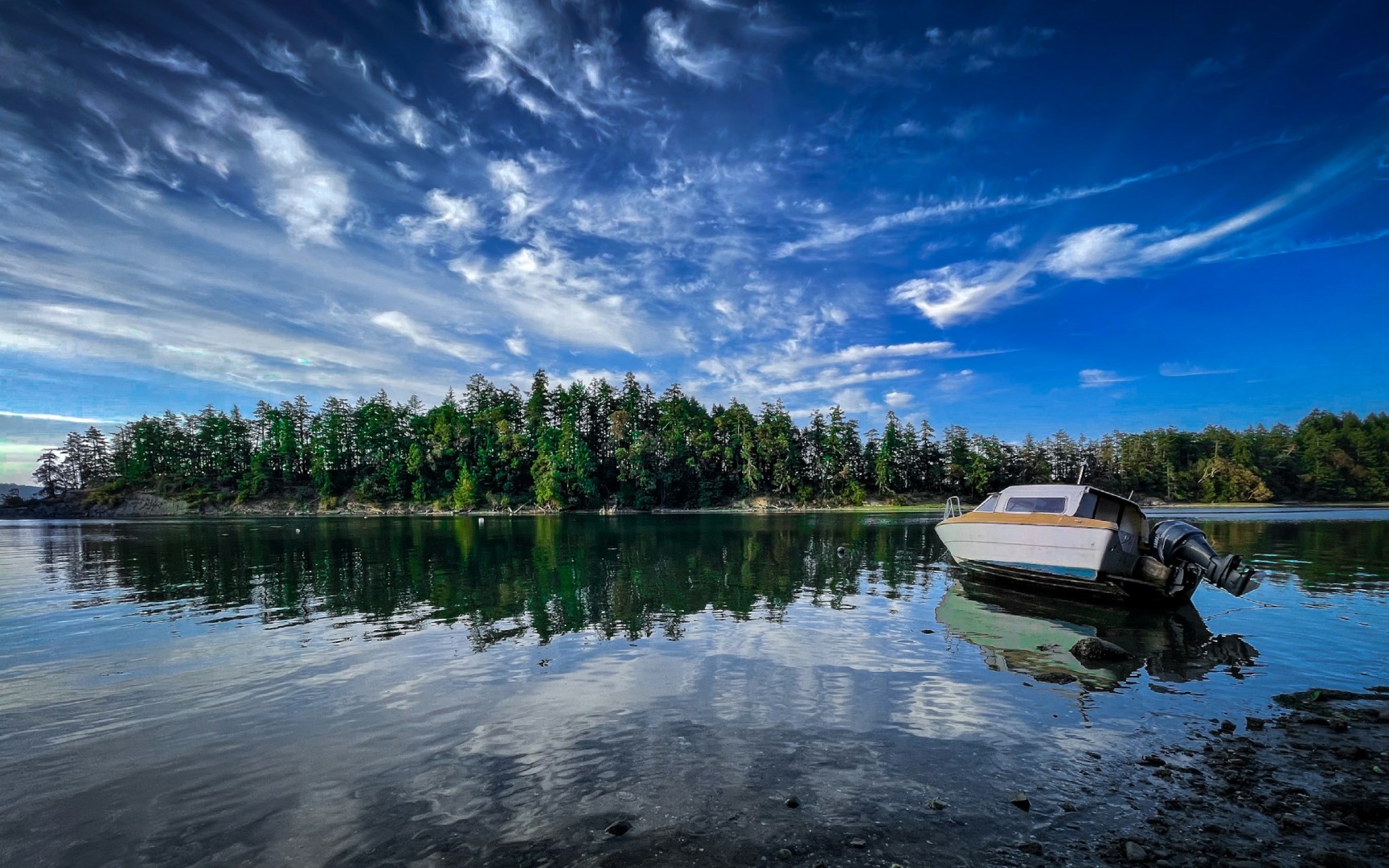
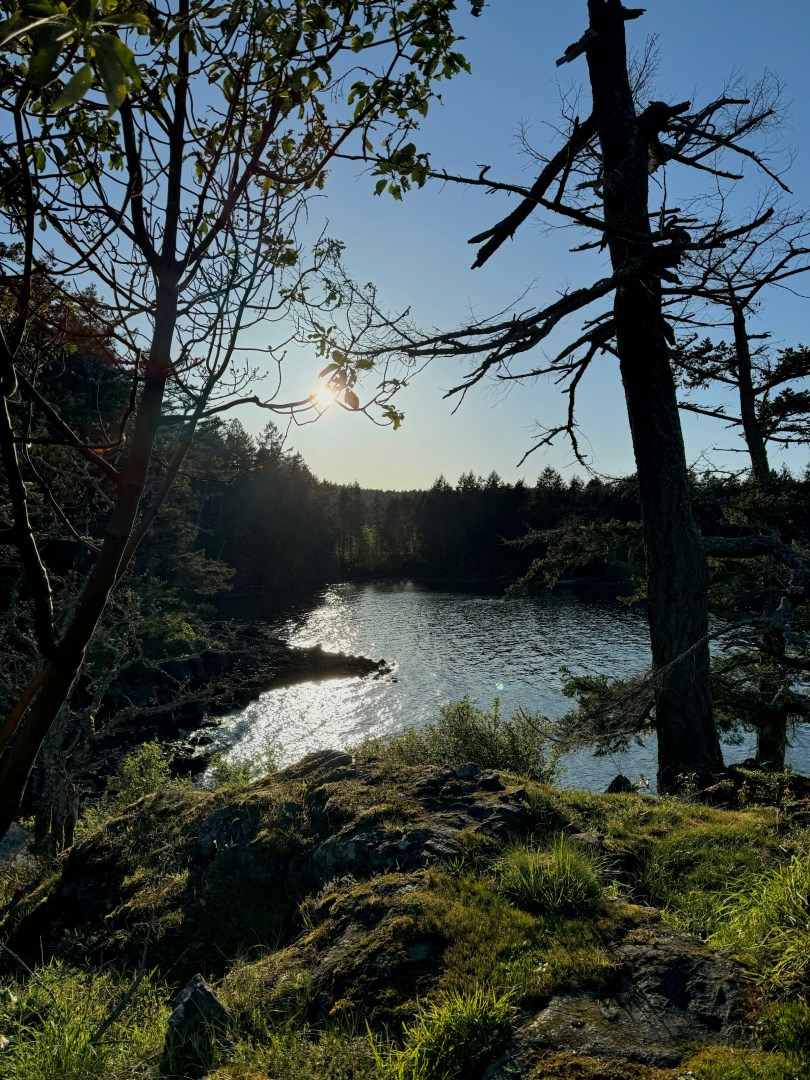
Salt Spring Island is the largest of British Columbia’s Southern Gulf Islands, situated between Vancouver Island and the mainland in the Salish Sea. The island is known for its forested hills, sheltered bays, small farms, and network of rural roads. Ganges serves as the main community and a centre for shops, galleries, cafés, and waterfront activity, while Fulford Harbour and Vesuvius provide additional ferry connections. The island’s landscape combines agricultural land with coastal scenery, and its relatively mild climate supports vineyards, orchards, gardens, and other small-scale farming.
Salt Spring Island is within the traditional territories of Coast Salish peoples, including the Hul’qumi’num- and SENĆOŦEN-speaking peoples. Indigenous communities have long used the island’s forests, shorelines, and waterways for food, travel, and cultural practices. Later settlement brought farming, fishing, forestry, and other industries to the island. The island’s name is linked to briny springs that attracted attention from Hudson’s Bay Company officers. Today, heritage sites such as St. Paul’s Church in Fulford and the Bittancourt Museum provide insight into the island’s settler history and community development.
The island offers a varied landscape for walking and exploring, with Mount Maxwell Provincial Park providing views over Burgoyne Bay and the surrounding Gulf Islands. Ruckle Provincial Park protects forest, shoreline, beaches, and the historic Ruckle Heritage Farm, while Mount Erskine has forest trails leading to viewpoints over the island and nearby waterways. Beddis Beach is known for its sandy shoreline, and St. Mary Lake and Cusheon Lake provide freshwater recreation. The island also has a strong network of small roads and trails that connect rural areas, coastal communities, farms, and forested landscapes.
Salt Spring Island is particularly known for food, farming, and locally made products. The Salt Spring Saturday Market in Ganges follows a “make it, bake it, grow it” approach, with residents selling produce, baked goods, pottery, jewellery, textiles, and other goods they create or grow themselves. Local farms produce vegetables, fruit, flowers, eggs, meat, and other seasonal foods, while island producers also make cheese, cider, wine, and preserves. A distinctive feature of the island is its large community of artists and craftspeople, with studios and galleries spread throughout the island and included in self-guided studio tours.